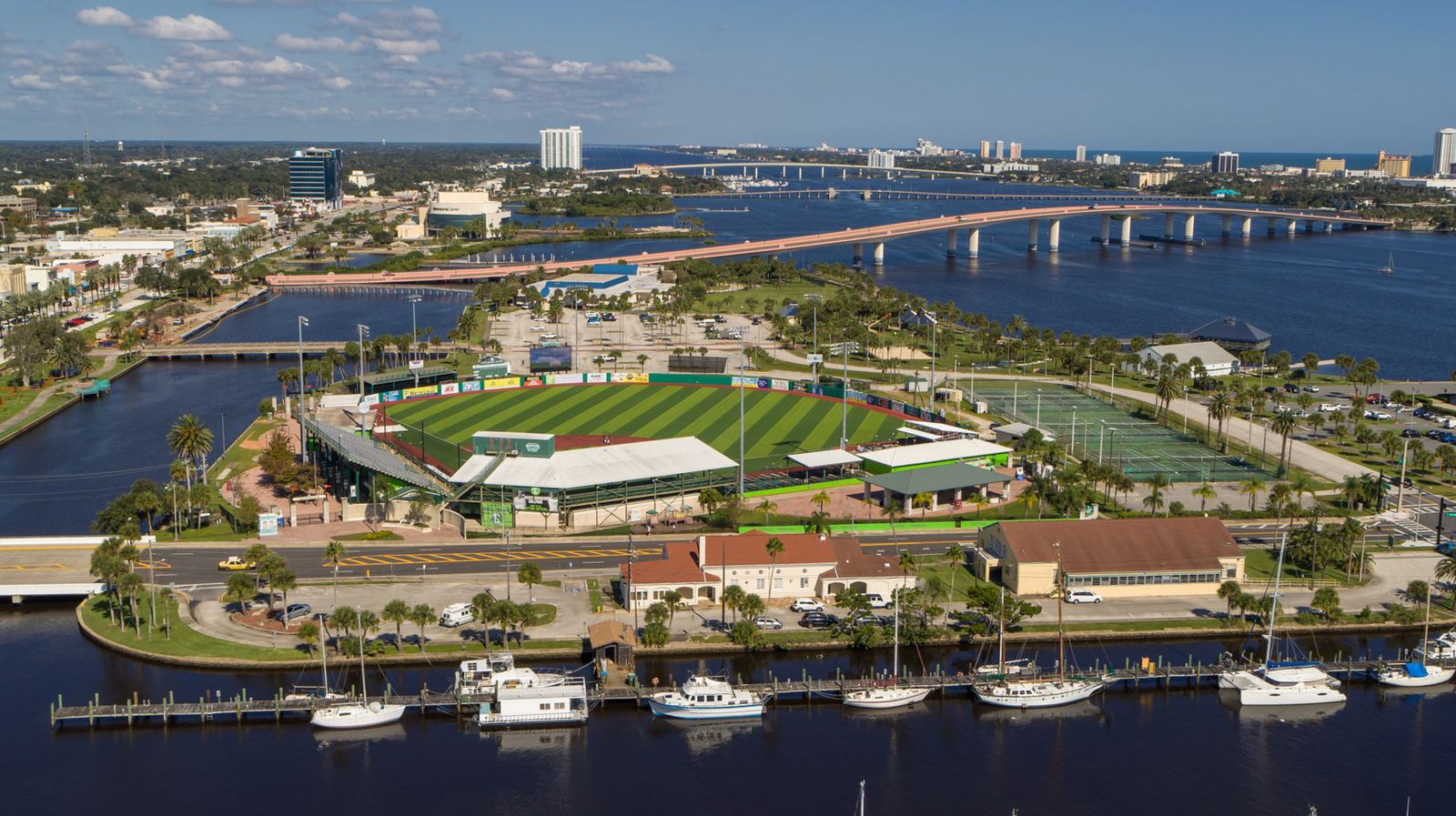
A waterfront estate photograph taken from the ground tells you about the house. A photograph taken from above tells you about everything: the water access, the lot shape, the dock, the pool, the landscape, and how all of it sits together. For clients selling or leasing a premier waterfront property in Florida, that full-picture view is not a bonus. It is often the image that stops a qualified buyer mid-scroll.
I photograph waterfront properties across Central and South Florida, and aerial drone work has become one of the most consistent requests I receive from brokers and developers. The reason is straightforward: the waterfront itself is the asset. If your photography never shows it from an angle that puts the water in context with the home, you are leaving the most compelling part of the property out of the conversation.
What Aerial Photography Shows That Ground-Level Cannot
From ground level, a waterfront estate looks like a beautiful home next to water. From above, it becomes a composition. You can see the relationship between the home's footprint and the shoreline, the length of the private dock, the way the pool and outdoor living area face the water, and how much natural privacy the lot provides. These are details that matter enormously to buyers at the top of the market, and they cannot be communicated in a standard interior or facade photograph.
Aerial images also give brokers a tool for context. A waterfront property on a lake, a river, a canal, or the coast each has a distinct story. An aerial shot anchors that story geographically. It lets a buyer who has never visited the area immediately understand the setting and the access.
Planning the Aerial Shoot for a Waterfront Property
A successful aerial session for a waterfront estate requires a few things that differ from a standard architectural shoot:
- Time of day matters. Morning light on Florida waterfront properties typically reads crisper and cooler. Late afternoon produces warmer tones and longer shadows that give the grounds dimension. Both work well; the choice depends on the property's orientation and what the broker wants to emphasize.
- Prepare the grounds before the shoot. Dock lines coiled, outdoor furniture arranged, pool cover removed, boats in their slips or pulled clear. At altitude, the camera sees every corner of the property, so clutter that might not appear in a standard walk-through shot will appear here.
- Wind affects the session. Florida is generally workable, but strong wind on the water creates chop that shows in the aerial frame. Checking conditions 48 hours out and adjusting timing when needed is standard practice.
- FAA authorization for controlled airspace. Some waterfront properties near Orlando, Tampa, or Miami-area airports fall inside controlled airspace. Authorization is handled before the shoot, but it requires lead time, so scheduling ahead matters.
The Four Aerial Shots That Consistently Perform
Not every aerial angle serves the same purpose. For waterfront estates, the images that consistently perform best in listing presentations are:
- The wide establishing shot. A high altitude, slightly oblique angle showing the full property in relation to the water. This is the orientation image that goes first in a presentation.
- The dock and water access close-up. A tighter aerial pass emphasizing the dock infrastructure, boat lift, and water depth. For boating buyers, this image answers the first question they have.
- The pool-to-water axis. A shot framed so the pool, outdoor living area, and the body of water form a continuous visual line. This angle communicates the indoor-outdoor lifestyle the property enables.
- The neighborhood context shot. A wider pullback showing surrounding properties and water access. Privacy and exclusivity are often selling points; this frame either confirms them or helps the broker address buyer questions early.
The ground-level shots show what the home looks like. The aerial shots show why the home is worth what it costs. For waterfront estates, those are two very different conversations.
Pairing Aerial and Ground-Level Coverage
The most effective marketing packages for Florida waterfront estates combine both. Aerial images establish the setting and the scale. Ground-level photography fills in the architectural details, the interior finishes, and the living spaces that justify the asking price. When these two perspectives are consistent in lighting and quality, the overall presentation reads as cohesive and confident.
Scheduling aerial work at the beginning of a session and ground-level architectural coverage afterward means both sets of images share similar light conditions. Post-processing can then maintain a consistent look across the full gallery.
If you are preparing a waterfront property for sale, development marketing, or a long-term portfolio, reach out to discuss the project. I work with brokers, developers, and private sellers across Florida and can structure a shoot that gives you both the aerial and ground-level coverage the property deserves.