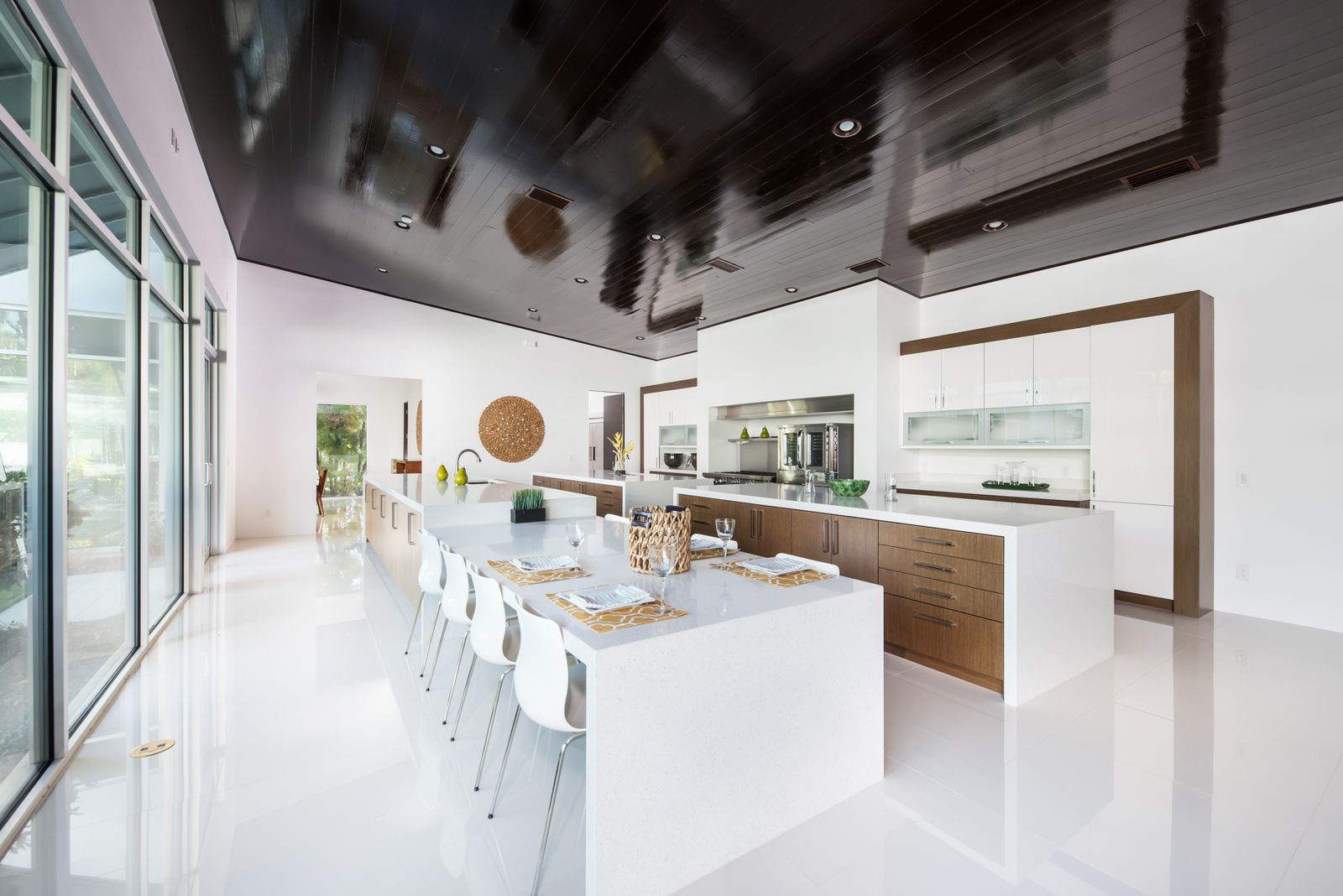
A modern kitchen is the hardest room in a house to photograph well, and the most important. Buyers and design clients scroll past a dozen listings before they slow down, and the kitchen is almost always the frame that stops the scroll. When the counters read clean, the cabinetry lines stay straight, and the light feels natural, a viewer leans in. When any of that is off, they keep moving.
This photograph shows a modern kitchen interior shot the way the space was designed to be seen. Level horizons, honest tones on the countertop and cabinet fronts, and windows that hold detail instead of blowing out to white. Everything below is how I approach a room like this, from the first walk through to the final delivered file, so the kitchen looks as considered in the gallery as it does in person.
Why the Kitchen Carries the Listing
Real estate agents and interior designers both know the kitchen sells the property. It is where materials, budget, and taste all show at once. A single strong kitchen frame can anchor a whole gallery, and a weak one quietly undercuts every other room. That is why I treat kitchen coverage as its own small assignment inside the larger shoot, with its own lighting plan and its own shot list.
The goal is not to make the kitchen look bigger than it is. It is to make the room read clearly, so a viewer understands the layout, the flow, and the quality of the finishes without having to guess.
Getting the Room Camera Ready
Most of the work happens before the camera comes out. A modern kitchen is full of small distractions that the eye forgives in person and the lens does not. I walk the room first and reset it:
- Clear the counters down to one or two intentional objects, never a full row of appliances.
- Remove magnets, notes, and stray cords that pull the eye toward the refrigerator and outlets.
- Wipe down every reflective surface, since fingerprints on stainless and glass show hard under light.
- Straighten bar stools and align them at an even, relaxed spacing.
- Hide sink dish soap, sponges, and trash cans, which flatten an otherwise premium room.
Ten minutes of staging saves an hour of retouching later, and it usually produces a better frame than editing ever could.
Lighting a Kitchen Without Flattening It
Kitchens mix more light sources than any other room. Windows, recessed cans, under cabinet strips, and pendant fixtures each throw a different color and direction. Left alone, they fight each other and the image turns muddy. My approach is to decide which light should lead, then shape the rest around it.
When the natural light is good, I let the windows carry the room and use exposure blending to keep both the bright glass and the shadowed cabinet interiors in balance. I keep the practical fixtures on when they add warmth and depth, and off when they clash with daylight. The point is a frame that feels lit by the space itself, not by equipment.
On a cloudy day or in a kitchen with few windows, I bring in supplemental light and bounce it to mimic the way daylight would fill the room. Done carefully, the viewer never notices the added light. They only feel that the space is bright, open, and easy to picture living in, which is exactly the reaction a strong listing needs.
Composition and Keeping Lines Honest
Modern kitchens live and die on straight lines. Cabinet edges, counter runs, and tile grids all act as rulers, and any lean or tilt is obvious. I work through a short sequence to keep the geometry correct:
- Level the camera on a tripod so vertical lines stay vertical.
- Shoot from a height that respects the counters, usually around chest level, so the surfaces read as planes and not thin edges.
- Choose a lens wide enough to show the layout but not so wide that the room distorts and stretches at the corners.
- Find one clean anchor line, often the island edge or the counter run, and build the frame around it.
A well composed kitchen frame gives the viewer a place to stand. They can feel where they would walk in, set down groceries, and pour a coffee, and that felt sense of the room is what turns a scroll into a showing.
Finishing Files That Match the Real Room
Editing a kitchen is about restraint. The temptation is to crush the shadows and oversaturate the wood, but design clients notice immediately when a countertop color is wrong or a white cabinet has gone gray or blue. I calibrate to the real materials, correct the color so the finishes match what the client chose, and clean up only the small distractions that staging missed. The delivered file should look like the best honest version of the room, not a different room entirely.
The best kitchen photograph does not announce itself. It just makes the viewer want to stand in the room, and that quiet pull is what moves a listing or wins a design portfolio.
If you have a modern kitchen that deserves to be seen at its best, whether for a listing, a builder portfolio, or an interior design feature, reach out through the contact page. Tell me about the space, your timeline, and the images you need, and we will plan a shoot that does the room justice.